Astronomy Binoculars for Glasses Wearers: 4 Best Picks (2026)
Find the best astronomy binoculars for glasses wearers. We compare four models on eye relief, twilight focus and comfort so you can stargaze without squinting.
 By Caleb Morgan
Updated November 14, 2026
 By Caleb Morgan
Updated November 2026
Astronomy binoculars for glasses wearers need one thing above all else: enough eye relief to see the full field of view without pressing their eyecups against their lenses. This list focuses on eye relief, field of view, magnification stability, ease of focusing and how practical each model is for family stargazing. The picks below are based on manufacturer specifications, brand reputation and common owner feedback patterns.
Our top picks at a glance
- 1TOP CHOICEBest overallSVBONY SV407 Astronomy Binoculars 2.1x42mmView on Amazon
- 2
 Best for sturdy everyday useAthlon Optics Midas UHD Binoculars 8×42View on Amazon
- 3
 Best for hands-free viewing10X Binocular GlassesView on Amazon
- 4
 Best for high-power sky viewsSogries 15-35x70mm High Powered BinocularsView on Amazon
Our Top Picks
| Product | Best for | Key feature |
|---|---|---|
| SVBONY SV407 Astronomy Binoculars 2.1x42mm | Wide star fields | 26° field of view |
| Athlon Optics Midas UHD 8×42 | Sturdy everyday use | ED glass, waterproof |
| 10X Binocular Glasses | Hands-free viewing | Wearable, fixed 10x |
| Sogries 15-35x70mm | High-power sky views | Zoom to 35x |
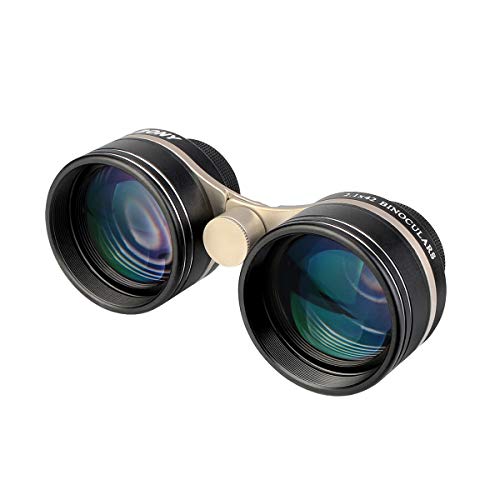
SVBONY SV407 Astronomy Binoculars 2.1x42mm
SVBONY SV407 Astronomy Binoculars 2.1x42mm, Wide Angle for Stargazing | for Star and Constellations Viewing, 26° Field of View, FMC Coating, IPX6 Waterproof, Opera Glasses, 2x Low-magnification
Best for: Wide star fields and constellation hopping.
This low-power pair suits families who want to sweep across the Milky Way and star clusters without losing their place. Its wide view makes it easy to find targets, even for beginners.
Pros
- 26° field of view makes star hopping simple
- IPX6 waterproof rating suits damp nights
Cons
- Low magnification limits detail on planets and the Moon
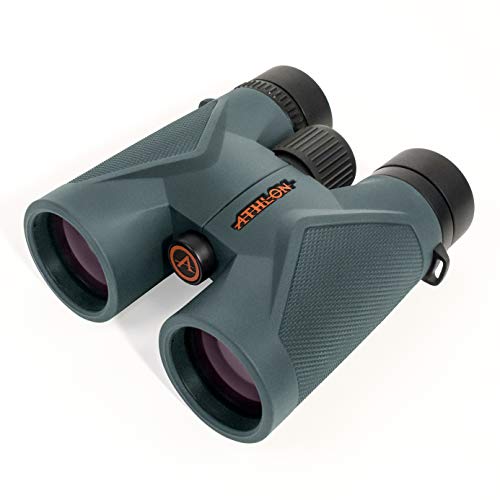
Athlon Optics Midas UHD Binoculars 8×42
Athlon Optics Midas UHD Binoculars, ED Glass, Waterproof,8×42 | For Hunting, Birdwatching, and Adults & Kids | High-Powered, ED Glass, Eye Relief | Waterproof and Fogproof
Best for: Sturdy everyday use with a comfortable eye position.
Families who plan to use the same pair for birdwatching, hiking and skywatching will appreciate the durable build. The moderate power keeps the view steady in hand.
Pros
- ED glass helps reduce color fringing
- Waterproof and fogproof body suits changing conditions
Cons
- 8x power is modest for deep-sky objects
10X Binocular Glasses
10X Binocular Glasses, Hands-Free Lazy Glasses, Easy Focus Binoculars for Bird Watching, Sports, Concerts, Theater,Opera, TV, Sight Seeing, Professional Multipurpose Folding Eyeglasses
Best for: Hands-free viewing while lying back on a blanket.
These wearable binoculars suit kids and adults who want both hands free for charts, snacks or a red flashlight. Owners often report they are easiest to use when the sky is already dark.
Pros
- Hands-free design keeps both hands free
- Easy focus adjustment for quick changes
Cons
- Fixed magnification and a narrow field of view
Sogries 15-35x70mm High Powered Binoculars
Sogries 15-35x70mm High Powered Binoculars for Adults Star Gazing Astronomy | Powerful Binoculars Long Range with Super Zoom for Star Gazing Bird Watching Wildlife Waterproof Long Distance BAK4 FMC
Best for: High-power sky views of the Moon and planets.
Older kids and adults who want more detail from a stable tripod setup will find this model useful. The large 70mm objectives gather more light than smaller models.
Pros
- Zoom range covers wide and high-power views
- 70mm objectives gather more light
Cons
- Higher magnification magnifies hand shake, so a tripod helps
Buying Guide
Eye relief
Eye relief is the distance your eye can sit from the eyepiece and still see the full image. Glasses wearers generally need at least 15 mm, and many manufacturers list this figure in their specifications.
Field of view
A wider field makes it easier to find targets and keep them in view. Check the apparent or true field figure listed by the manufacturer before you buy.
Focus style
Center focus wheels are common, but some glasses wearers prefer models with a diopter adjustment on one eyepiece. Practice refocusing with your glasses on to make sure it feels natural.
Weight and support
Heavier pairs at higher magnification benefit from a tripod. Light, hands-free designs are easier for kids to handle.
Good picks for this: SVBONY SV407 and Athlon Optics Midas UHD.
FAQ
Do I need to take my glasses off to use astronomy binoculars?
Many glasses wearers keep their glasses on, but this depends on the eye relief of the binocular. Models with longer eye relief are usually more comfortable with glasses.
What magnification is best for glasses wearers?
Lower magnification, such as 7x to 10x, tends to give a wider and steadier view that is easier to use with glasses. Higher power can work well when you use a tripod.
Can kids with glasses use these binoculars?
Yes, most kids can use them with supervision. Make sure they can adjust the focus and reach the eyepieces comfortably.
Conclusion
For a wide, easy sweep of the sky, the SVBONY SV407 is a good fit. The Athlon Optics Midas UHD suits families who want one sturdy pair for many outdoor uses. The hands-free 10X glasses work well for lying back and viewing, while the Sogries 15-35x70mm suits higher-power targets on a tripod.
Sources
- Guides to observing the night sky and stargazing basics (nasa.gov)
- Resources on astronomy education and amateur observing
- Dark sky and night sky viewing information for families (nps.gov)
Related reading
- 3 Best Astronomy Binoculars for Eyeglass Wearers (2026)
- Zhumell 25×100 Tachyon Astronomy Binoculars with Case ZHUG002 1: QA Check
- Zhumell 25×100 Tachyon Astronomy Binoculars Review: Specs, Pros and Setup Tips
About Caleb Morgan
Caleb Morgan is part of our editorial team and reviews and edits our astronomy for kids, teens & families guides, checking product details against manufacturer specifications and owner feedback.
About the author
Caleb Morgan writes reviews and buying guides for Youth in Astronomy.