3 Best Telescope Filter Kits: Top Picks Compared for 2026
Find the best telescope filter kit for your family's stargazing. We compare three filter sets by use, key features and fit so you can pick the right one.
 By Owen Palmer
Updated November 17, 2026
 By Owen Palmer
Updated November 2026
The best telescope filter kit for most families is one that fits your eyepieces, covers the Moon, planets and deep-sky targets, and doesn’t cost you clarity. Filters change how the sky looks through an eyepiece by cutting glare, boosting contrast or tinting light. The three kits below were chosen by comparing product listings, brand reputation and common owner feedback on fit, filter quality and included colors.
Our top picks at a glance
- 1TOP CHOICEBest overallAlstar Telescope Filter Set 1.25" Filter Kit (7PCS)View on Amazon
- 2
 Best for lunar and planetary viewingAstromania Telescope Eyepiece Filter SetView on Amazon
- 3
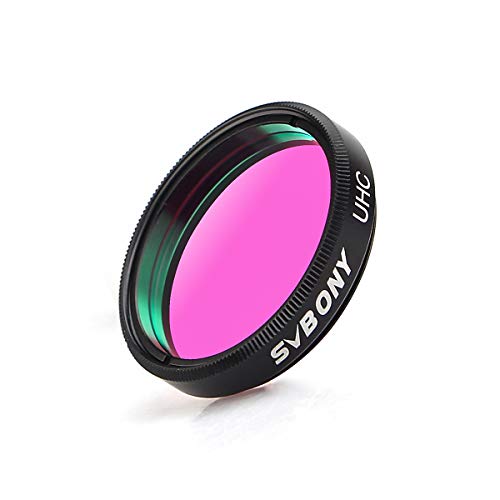 Best for nebula and light pollutionSVBONY 1.25" UHC Telescope FilterView on Amazon
Our Top Picks
| Product | Best for | Key feature |
|---|---|---|
| Alstar Telescope Filter Set 1.25″ Filter Kit (7PCS) | Overall use | Seven filters, aluminum frames |
| Astromania Telescope Eyepiece Filter Set | Moon and planets | Six color filters, 1.25″ fit |
| SVBONY 1.25″ UHC Telescope Filter | Nebulae and light pollution | Ultra high-contrast coating |
Alstar Telescope Filter Set 1.25″ Filter Kit (7PCS)
Alstar Telescope Filter Set 1.25" Filter Kit for Telescope Eyepiece (7PCS) | Telescope Moon Filter, 5 Color Filters, Enhance Lunar Planetary Observe&Contrast Reduce Light Pollution, Aluminum Alloy Fra
Best for: Overall use across the Moon, planets and general observing.
This kit suits families who want one set that covers many viewing situations without buying filters one at a time. Listings describe a moon filter, five color filters and a light pollution filter in aluminum frames that fit standard 1.25-inch eyepieces.
Pros
- Seven filters cover most common targets.
- Aluminum frames are sturdier than plastic rings.
Cons
- Color filters can dim the view noticeably for some observers.
Astromania Telescope Eyepiece Filter Set
Astromania Telescope Eyepiece Filte Set 1.25 Inch Six Pcs Color Filters
Best for: Lunar and planetary viewing with color contrast.
This set is a good match for kids who want to see the color bands on Jupiter or the surface detail on the Moon. It includes six color filters sized for 1.25-inch eyepieces, which is the most common size on beginner telescopes.
Pros
- Six colors give plenty of options for planetary detail.
- Fits the standard 1.25-inch eyepiece size.
Cons
- Not designed for faint deep-sky objects.
SVBONY 1.25″ UHC Telescope Filter
SVBONY Telescope Filter, 1.25" UHC Filter Improve Contrast for Telescope | Optical Glass Lens, Aluminum Frame, Astrophotography Filter, Light Pollution Filter Nebula Filters, Telescope Accessories
Best for: Nebulae and viewing from light-polluted backyards.
A single UHC filter suits families who live near city lights and mostly want to see emission nebulae. Listings describe an optical glass lens in an aluminum frame, which is a practical choice for a first narrowband filter.
Pros
- Improves contrast on many nebulae from light-polluted yards.
- Single filter is simple to learn with.
Cons
- Only one filter, so it does not cover the Moon or planets.
Buying Guide
Eyepiece size
Most beginner telescopes use 1.25-inch eyepieces, but some use 2-inch barrels. Check your eyepiece barrel before you buy so the filters thread on correctly.
Filter type
Color filters improve contrast on planets, while UHC and light pollution filters help with nebulae. Choose the type that matches the targets you see most often.
Frame material
Metal frames hold their shape and resist cracking better than thin plastic rings. This matters most for kids who handle equipment often.
Number of filters
A larger kit gives more options, but single filters can be enough if you only observe one type of object. Start small and add filters as your interests grow.
Good picks for this: Alstar Telescope Filter Set and Astromania Telescope Eyepiece Filter Set
FAQ
Do telescope filters really help?
Yes, for specific targets. Color and contrast filters can make planetary and nebula details easier to see, but they will not reveal objects your telescope cannot already resolve.
Will a filter make the view darker?
Most filters reduce the amount of light reaching your eye, so the image can look dimmer. Colored and narrowband filters tend to cut more light than moon filters.
Can I use filters on any telescope?
Filters thread onto eyepieces, so they work with most telescopes. Check that the filter size matches your eyepiece barrel before buying.
Conclusion
The Alstar kit is the most flexible choice for families who want broad coverage. The Astromania set suits planetary and lunar viewing, while the SVBONY UHC filter is best for nebulae from light-polluted yards.
Sources
- Guides to observing the Moon and planets, including how viewing conditions affect detail (nasa.gov)
- Resources on telescope equipment and eyepiece basics for beginners
Related reading
- Build Your Own Refractor Telescope: 6 Best Kits Compared for Kids (2026)
- Build Your Own Dobsonian Telescope Kit: 4 Best Picks Compared
- 3 Best Galileoscope Refractor Telescope Kits for Kids (2026)
About Owen Palmer
Owen Palmer is part of our editorial team and reviews and edits our astronomy for kids, teens & families guides, checking product details against manufacturer specifications and owner feedback.
About the author
Owen Palmer writes reviews and buying guides for Youth in Astronomy.