Celestron 40mm Refractor Telescope: 6 Best Picks for Beginners (2026)
Looking for a celestron 40mm refractor telescope or a beginner scope that works with it? Compare six picks by fit, specs and owner feedback patterns.
 By Owen Palmer
Updated November 26, 2026
 By Owen Palmer
Updated November 2026
Choosing a celestron 40mm refractor telescope usually means answering a few questions first: are you shopping for the eyepiece itself, or for a full beginner scope that will take it? A 40mm focal-length eyepiece gives low magnification and a wide field of view, which makes it one of the friendliest options for families who want to find the Moon, bright star clusters and large nebulae without fighting the sky. This list compares six products that fit that use case. Our selection criteria were specifications, brand reputation and the patterns owners commonly report about setup, optical clarity, mount stability and portability. We did not test any of these products ourselves.
Our top picks at a glance
- 1TOP CHOICEBest overallCelestron StarSense Explorer LT 80AZView on Amazon
- 2
 TOP CHOICEBest for simple, low-cost moon and planet viewingCelestron AstroMaster 70AZView on Amazon
- 3
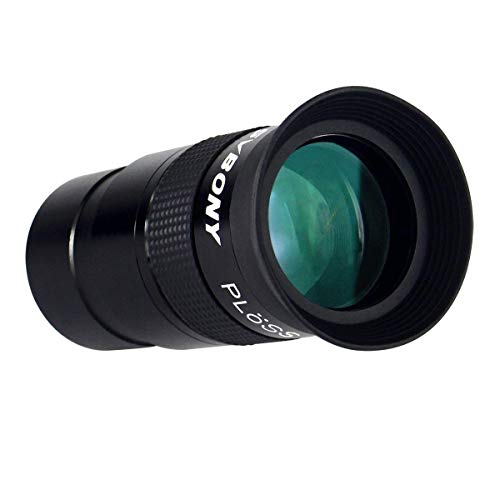 TOP CHOICEBest for wide-field eyepiece upgradesSVBONY 40mm Telescope Eyepiece 1.25" PlosslView on Amazon
- 4
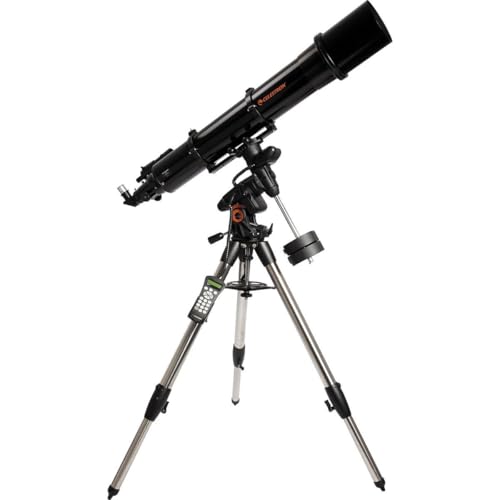 Best for computerized GoTo viewingCelestron Advanced VX 6" Refractor TelescopeView on Amazon
- 5
 Best for travel and backpackingCelestron Travel Scope 70mm Portable Telescope with BackpackView on Amazon
- 6
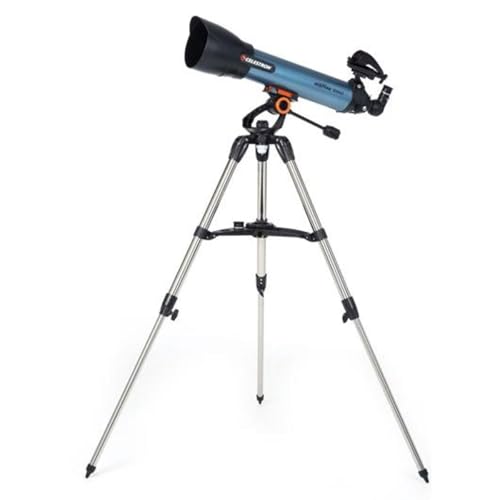 Best for families who want to photograph the sky with a phoneCelestron Inspire 100AZ Refractor Telescope with Phone AdapterView on Amazon
Our Top Picks
Quick Comparison
| Product | Best for | Key feature |
|---|---|---|
| Celestron StarSense Explorer LT 80AZ | Overall beginner use with a phone | Smartphone app sky navigation |
| Celestron AstroMaster 70AZ | Simple moon and planet viewing | Fully coated glass optics on an alt-azimuth mount |
| SVBONY 40mm Plossl Eyepiece | Wide-field views with an existing scope | 40° apparent field of view, FMC coating |
| Celestron Advanced VX 6″ | Computerized GoTo observing | 40,000+ object database |
| Celestron Travel Scope 70mm | Portable and travel use | Included backpack and quick setup |
| Celestron Inspire 100AZ | Family phone-based astrophotography | Phone adapter for Moon and planet images |
Celestron StarSense Explorer LT 80AZ
Celestron StarSense Explorer LT 80AZ Smartphone Guided Refractor Telescope | Smartphone App Sky Navigation, Lightweight Manual Refractor Telescope, Perfect First Telescope, Great for Kids & Families
Best for: Overall beginner use with a smartphone
This is a good fit for families who want a guided experience. The app helps locate objects, which reduces the frustration many first-time owners report with star hopping. We also found Celestron Astromaster 90az Refractor Telescope: A Practical Guide (2026) useful on this point.
Key specs
- 80mm refractor optical tube
- Alt-azimuth mount
- Smartphone app sky navigation
Pros
- App-guided object finding suits young beginners
- Lightweight and easy to carry outdoors
- Works well with standard low-power eyepieces, including 40mm designs
Cons
- Phone must be charged and kept in the app setup
- Manual alt-azimuth tracking can drift at higher magnification
Bottom line: Pick this if you want the most guided start, especially for kids who want to find things on their own with a phone in hand.
View on AmazonCelestron AstroMaster 70AZ
Celestron AstroMaster 70AZ Refractor Telescope for Moon & Planet Viewing | Fully Coated Glass Optics, Crisp Moon & Planetary Views, Alt-Azimuth Mount with Easy Manual Controls, Beginner Friendly
Best for: Simple moon and planet viewing on a budget
A straightforward first scope for families who mostly want to look at the Moon, Jupiter and Saturn. Its low-power views pair naturally with a 40mm eyepiece.
Key specs
- 70mm refractor with fully coated glass optics
- Alt-azimuth mount with manual controls
Pros
- Simple, no-app setup
- Glass optics produce crisp lunar detail at low power
- Easy for young children to operate
Cons
- Manual tracking requires constant adjustment for deep-sky objects
- Limited aperture for faint galaxies
Bottom line: A solid choice for families who want a no-frills, budget-friendly way into moon and planet observing.
View on AmazonSVBONY 40mm Telescope Eyepiece 1.25″ Plossl
SVBONY Telescope Eyepiece 40mm, 1.25" Plossl Telescope Lens, 40° Wide FOV | FMC Coating, Optics 4 Element, Wide-Field Viewing, Telescope Accessory for Lunar, Star Clusters, Nebulas and Deep Sky Target
Best for: Wide-field views with an existing telescope
This is an accessory rather than a full telescope, but it is the most direct match for the 40mm focal-length search. It suits owners who already have a 1.25-inch focuser and want a wide, low-power view of star fields.
Key specs
- 40mm focal length
- 1.25-inch barrel
- 40° apparent field of view
- Four-element optical design with FMC coating
Pros
- Wide field suits star clusters and large nebulae
- Inexpensive way to add a new magnification step
- Fits standard 1.25-inch focusers
Cons
- Requires a compatible telescope; it is not a standalone instrument
- Eye relief can feel tight for eyeglass wearers
Bottom line: Choose this if you already own a refractor and want a wide, easy-to-use eyepiece for family viewing.
View on AmazonCelestron Advanced VX 6″ Refractor Telescope
Celestron Advanced VX 6" Telescope – Refractor Computerized GEM | Ideal First GoTo Equatorial Mount, StarBright XLT Coating, 40,000+ Object Database, Precision Tracking, Astroimaging Ready
Best for: Computerized GoTo observing
This equatorial model suits families with older teens or adults who want the computer to find objects. It is a larger commitment in setup and weight than the beginner altazimuth models.
Key specs
- 6-inch refractor
- Computerized GoTo equatorial mount
- 40,000+ object database
- StarBright XLT coating
Pros
- GoTo mount finds objects quickly
- Equatorial tracking keeps objects centered longer
- Ready for basic astroimaging accessories
Cons
- Heavier and harder to set up for young children
- Requires alignment steps that take practice
Bottom line: Best for a family member who is ready to learn polar alignment and wants a serious platform for observing.
View on AmazonCelestron Travel Scope 70mm Portable Telescope with Backpack
Celestron Travel Scope 70mm Beginner Portable Telescope with Backpack | 70mm Refractor Telescope Kit, Bright Lunar & Planetary Views, Day & Night Use, Backpack Included, Quick No-Tool Setup
Best for: Travel and backpacking
Designed to be carried. It works for both day and night viewing, which makes it useful on road trips and camping weekends.
Key specs
- 70mm refractor
- Included backpack
- Tool-free setup
Pros
- Packs into a bag for easy transport
- Day and night use
- Fast setup for short observing sessions
Cons
- Small mount can wobble with an older child’s sudden movements
- Limited for high-power planetary detail
Bottom line: Ideal for families who observe away from home and want one kit that is easy to carry.
View on AmazonCelestron Inspire 100AZ Refractor Telescope with Phone Adapter
Celestron Inspire 100AZ Beginner Refractor Telescope with Phone Adapter | Great First Telescope for Families, Grab-and-Go Short-Tube Refractor, Capture the Moon & Planets with Your Phone, Easy Setup
Best for: Family phone-based astrophotography
This short-tube refractor is built for grab-and-go sessions. The phone adapter lets kids capture images of the Moon and bright planets they can share.
Key specs
- Short-tube refractor design
- Alt-azimuth mount
- Phone adapter included
Pros
- Phone adapter turns observing into photography
- Quick to set up and take down
- Good for families with shared viewing
Cons
- Phone photos depend on steady hands and good seeing
- Manual tracking needed for longer sessions
Bottom line: A strong pick for families who want to combine observing with simple sky photos.
View on AmazonBuying Guide
Understand what a 40mm eyepiece does
A 40mm focal-length eyepiece sets low magnification, which gives a wide field and bright views. Lower power is easier for beginners to keep objects centered, and it suits large targets like the Moon and star clusters.
Good picks for this: SVBONY 40mm Plossl Eyepiece, Celestron StarSense Explorer LT 80AZ
Check the focuser and barrel size
Most standard eyepieces use a 1.25-inch barrel. Confirm your telescope’s focuser accepts that size before buying an accessory.
Good picks for this: SVBONY 40mm Plossl Eyepiece, Celestron AstroMaster 70AZ
Consider aperture and light gathering
Larger apertures collect more light, which helps with fainter objects. A 70mm to 100mm refractor is a practical range for family observing.
Good picks for this: Celestron Travel Scope 70mm, Celestron Inspire 100AZ
Mount type: alt-azimuth or equatorial
Alt-azimuth mounts are simpler to use. Equatorial mounts track the sky more smoothly but take longer to align.
Good picks for this: Celestron Advanced VX 6″, Celestron AstroMaster 70AZ
Portability and weight
If you will carry the telescope to a dark site or a campsite, check the weight and whether a case or backpack is included.
Good picks for this: Celestron Travel Scope 70mm, Celestron StarSense Explorer LT 80AZ
Coatings and optical quality
Multi-coated or fully coated optics reduce light loss and glare. Look for these terms in manufacturer specifications.
Good picks for this: SVBONY 40mm Plossl Eyepiece, Celestron AstroMaster 70AZ
Ease of use for kids
Simple controls and app guidance reduce frustration. Choose a setup your child can operate with supervision.
Good picks for this: Celestron StarSense Explorer LT 80AZ, Celestron Inspire 100AZ
FAQ
What does a celestron 40mm refractor telescope actually mean?
It usually refers either to a 40mm focal-length eyepiece used with a Celestron refractor, or to a Celestron refractor kit that includes a 40mm eyepiece. Check the product listing to see which one you are buying.
Is a 40mm eyepiece good for beginners?
Yes. Low magnification gives a wide, bright view that is easy to find and keep centered, which helps new observers.
Can children use these telescopes safely?
Yes, with supervision. Never point a telescope at the Sun without a proper solar filter, because direct sunlight can cause permanent eye damage. Consult a qualified astronomy educator or a local observatory for guidance on solar viewing.
Do I need a phone adapter?
No. A phone adapter is optional. It is useful for families who want to capture images, but visual observing works without one.
What magnification should I expect?
Magnification equals telescope focal length divided by eyepiece focal length. A 40mm eyepiece on a 700mm focal-length scope gives about 17.5x.
Is a GoTo mount worth it for families?
It depends on your goals. GoTo mounts find objects automatically but require alignment and more setup time.
Conclusion
For most families, the Celestron StarSense Explorer LT 80AZ offers the most guided start. The Celestron AstroMaster 70AZ suits simple moon and planet viewing. The SVBONY 40mm Plossl Eyepiece fits anyone with a compatible refractor who wants wider views. Serious learners may consider the Celestron Advanced VX 6″, while the Celestron Travel Scope 70mm and Celestron Inspire 100AZ serve travelers and photographers.
Sources
- Guides to observing the Moon and planets, and safe solar viewing practices (nasa.gov)
- Educational resources on telescope basics and beginner observing
- Information on astronomy education and public observing programs
Before you buy: helpful guides
- Celestron Starsense Explorer Dx 102az Refractor Telescope: A Practical Guide (2026)
- Celestron Starsense Explorer Lt 80az Refractor Telescope: A Practical Guide (2026)
- Celestron StarSense Explorer LT Refractor Telescope: Setup, Use & Tips (2026)
- Celestron Inspire 100AZ Refractor Telescope: Setup, Use and Tips for Families
Related reading
- Celestron Travel Scope 70mm Refractor Telescope Gray Black: A Practical Guide (2026)
- Celestron Starsense Explorer Lt 80az Smartphone App-enabled Refractor Telescope: A Practical Guide (2026)
- Celestron Starsense Explorer 80mm Refractor Telescope: A Practical Guide (2026)
About Owen Palmer
Owen Palmer is part of our editorial team and reviews and edits our astronomy for kids, teens & families guides, checking product details against manufacturer specifications and owner feedback.
About the author
Owen Palmer writes reviews and buying guides for Youth in Astronomy.