6 Best Anko 60mm Refractor Telescopes for Beginners (2026)
Compare six anko 60mm refractor telescope options for families and beginners. See aperture, mounts, magnification and who each scope suits best.
 By Owen Palmer
Updated November 25, 2026
 By Owen Palmer
Updated November 2026
Shopping for an anko 60mm refractor telescope usually comes down to a few practical questions: how much light the scope gathers, whether the mount is easy for a child to use, how much magnification is useful, and whether the kit includes what a new observer actually needs. This guide compares six 60mm-class and nearby refractor options with those questions in mind. The picks were chosen from manufacturer specifications, long-standing brand reputation, and patterns that owners tend to mention in feedback, such as wobbly tripods, confusing eyepieces, or sharp moon views.
Best overall: Celestron PowerSeeker 60AZ – View on Amazon
Best for small kitchens and quick setup: Telescope for Adults, Kids & Beginners 70mm Refractor – View on Amazon
Best for kids and first-time families: FMC Optics 70MM Telescope with Phone Adapter – View on Amazon
Best for high magnification: Hemrsey 90mm 800mm Refractor – View on Amazon
Best budget pick: Gskyer 600x90mm AZ Refractor – View on Amazon
Best for serious observers: Askar 60F Flat-Field Refractor OTA – View on Amazon
Our Top Picks
Quick Comparison
| Product | Best for | Key feature |
|---|---|---|
| Celestron PowerSeeker 60AZ | Moon and planet viewing | 60mm objective with manual alt-azimuth controls |
| Telescope for Adults, Kids & Beginners 70mm Refractor | Easy setup with included kit | 4.5-inch LCD display with wireless remote |
| FMC Optics 70MM Telescope with Phone Adapter | Kids and first-time families | Phone adapter and tripod included |
| Hemrsey 90mm 800mm Refractor | High-magnification views | 90mm aperture and 800mm focal length |
| Gskyer 600x90mm AZ Refractor | Budget-minded buyers | Aluminum tripod and 90mm refractor optics |
| Askar 60F Flat-Field Refractor OTA | Deep-sky imaging and advanced visual use | ED glass quadruplet air-spaced APO design |
Celestron PowerSeeker 60AZ
Celestron PowerSeeker 60AZ Refractor Telescope for Moon & Planet Viewing | Larger 60mm Objective Lens, Bright Lunar & Planetary Views, Manual Alt-Azimuth Controls, Adjustable Tripod, Easy to Use
Best for: Moon and planet viewing for beginners who want a simple, manual scope.
This is a good fit for a family that wants an entry-level refractor for the Moon, bright planets, and the occasional double star. The manual alt-azimuth mount is straightforward, and the setup asks little of a first-time observer.
Key specs
- 60mm objective lens
- Manual alt-azimuth mount
- Adjustable tripod
Pros
- Bright, sharp lunar views for the aperture class
- Simple manual controls that children can learn quickly
- Well-known brand with a long track record in beginner telescopes
Cons
- Manual tracking means targets drift out of view and need frequent re-centering
- Limited for faint deep-sky objects
Bottom line: A solid pick for families whose main goal is the Moon and planets with minimal fuss.
View on AmazonTelescope for Adults, Kids & Beginners 70mm Refractor

Telescope for Adults, Kids & Beginners, 70mm Refractor, 4.5" LCD Display | No Phone Needed, 400mm Focal Length, Coated Optics, Wireless Remote, 25mm Eyepiece, Easy Setup, Complete Kit & Moon Viewing
Best for: Easy setup with an included kit and a built-in display.
This kit suits families who want to skip the learning curve and start looking up quickly. The LCD display and wireless remote are the main draw for kids who want to see the target without crowding the eyepiece.
Key specs
- 70mm refractor optics
- 400mm focal length
- 25mm eyepiece included
Pros
- Display lets several people view the same target
- Complete kit reduces extra purchases
- Wireless remote is handy for younger users
Cons
- Display viewing can feel different from a traditional eyepiece experience
- Owners often note that high magnification is not the main strength
Bottom line: Best for families who want a ready-to-use package and shared viewing.
View on AmazonFMC Optics 70MM Telescope with Phone Adapter

Telescope for Adults & Kids, 70MM Aperture FMC Optics Telescopes for Astronomy Beginners, 300MM Refractor Telescope (15X-150X) with Phone Adapter and Tripod, Travel Gifts for Moon, Jupiter and Star
Best for: Kids and first-time families who want to photograph the Moon with a phone.
The phone adapter and tripod make this a friendly first scope for a household that wants to capture what they see. Magnification is modest, which keeps expectations realistic for beginners.
Key specs
- 70mm aperture
- 300mm focal length
- 15x to 150x magnification range
Pros
- Phone adapter makes sharing photos simple
- Compact enough for travel
- Good range for Moon and bright planets
Cons
- Phone photography results vary with phone camera and steadiness
- Higher magnifications look dim and shaky on a lightweight tripod
Bottom line: A good choice for kids and families who want photos along with viewing.
View on AmazonHemrsey 90mm 800mm Refractor Telescope

Hemrsey 90mm Aperture 800mm Refractor Telescopes for Adults High Powered | FMC Optics, Moon Viewing, Stargazing, Bird Watching, Daytime Scenery, 240X Magnification, Aluminum Tripod, Easy Setup
Best for: High-magnification lunar and planetary views for buyers who want more aperture.
The 90mm aperture gathers more light than a 60mm scope, which helps with detail on the Moon. It suits older kids and adults who will spend time at the eyepiece.
Key specs
- 90mm aperture
- 800mm focal length
- Aluminum tripod
Pros
- More light than 60mm-class scopes
- Strong lunar detail when conditions are steady
- Aluminum tripod adds stability
Cons
- 240x is rarely useful; owners often find 100x to 150x more practical
- Larger optics can be heavier to move around
Bottom line: Suited to families who want more aperture and are willing to manage the setup.
View on AmazonGskyer 600x90mm AZ Astronomical Refractor Telescope

Gskyer Telescope 600x90mm AZ Astronomical Refractor Telescope for Adults | High-power 90mm AZ Telescope For Adults Astronomy, Telescope for Beginners, German Technology Scope
Best for: Budget-minded buyers who want a 90mm refractor without premium features.
This model is aimed at families who want a larger aperture on a limited budget. Expect a basic mount and accessories that will need upgrading as interest grows.
Key specs
- 90mm aperture
- 600mm focal length
- Alt-azimuth mount
Pros
- Larger aperture than many entry scopes
- Straightforward alt-azimuth design
- Good for Moon viewing
Cons
- Owners often report the included accessories are basic
- Mount may feel shaky at high magnification
Bottom line: Worth considering for a budget-minded family that accepts a simpler mount.
View on AmazonAskar 60F Flat-Field Telescope
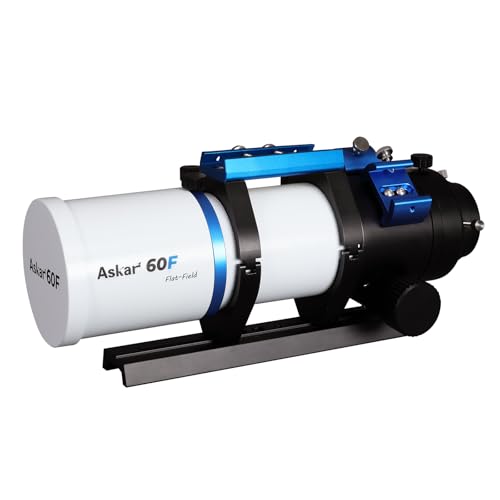
Askar 60F Flat-Field Telescope, 60mm Aperture F6.8 ED Glass Refractor OTA, Quadruplet air-Spaced APO, 230mm Vixen Dovetail Plate for Deep Sky Astrophotography and Visual Astronomy
Best for: Advanced observers and astrophotographers who want a high-quality optical tube.
This is an optical tube assembly rather than a beginner kit, so it needs a mount and accessories. It suits teens or adults who already know what they want to image.
Key specs
- 60mm aperture
- F6.8 focal ratio
- ED glass, quadruplet air-spaced APO design
- 230mm Vixen dovetail plate
Pros
- Flat-field design suits imaging
- Apochromatic correction reduces color fringing
- Dovetail plate fits common mounts
Cons
- Requires a separate mount and tripod
- Steeper learning curve than beginner kits
Bottom line: A fit for experienced families or teens ready to move beyond beginner gear.
View on AmazonBuying Guide
Aperture and Light-Gathering
Aperture is the diameter of the main lens. A 60mm objective collects noticeably less light than a 90mm one, which affects how faint a target can look. For the Moon and bright planets, 60mm is usually enough. For fainter objects, more aperture helps.
Good picks for this: Hemrsey 90mm 800mm Refractor, Gskyer 600x90mm AZ Refractor
Mount Type and Stability
Alt-azimuth mounts move up-down and left-right, which is intuitive for beginners. Stability matters more than magnification: a wobbly tripod ruins views at high power. Look for aluminum or sturdy steel legs and a mount that locks firmly.
Good picks for this: Celestron PowerSeeker 60AZ, Hemrsey 90mm 800mm Refractor
Magnification Range
Magnification is set by the eyepiece and focal length. Useful power is usually limited by aperture and atmospheric steadiness, not by the advertised maximum. Owners often find that the mid-range of a kit delivers the best views.
Good picks for this: FMC Optics 70MM Telescope with Phone Adapter, Telescope for Adults, Kids & Beginners 70mm Refractor
Included Accessories
Some kits include eyepieces, a phone adapter, a display, or a carry case. Others expect you to buy them separately. Check which eyepieces are included and whether the diagonal and finder are provided, because these affect the first-night experience.
Good picks for this: Telescope for Adults, Kids & Beginners 70mm Refractor, FMC Optics 70MM Telescope with Phone Adapter
Use Case and Skill Level
Match the scope to the observer. Families focused on the Moon and planets need less than people interested in deep-sky imaging. A simple manual mount is often better for a child, while an advanced optical tube suits someone already comfortable with alignment.
Good picks for this: Celestron PowerSeeker 60AZ, Askar 60F Flat-Field Telescope
Portability and Size
Larger aperture means more weight and a longer tube. If you plan to observe from different locations or store the scope in a closet, check the packed size and tripod weight. Compact kits are easier to carry out for a quick session.
Good picks for this: FMC Optics 70MM Telescope with Phone Adapter, Gskyer 600x90mm AZ Refractor
Care and Durability
Keep lenses capped when not in use and avoid touching glass surfaces. Store the scope in a dry place to prevent fogging. Lens cleaning should be gentle, using a soft brush or lens cloth. For any damaged optics, consult the manufacturer or a qualified repair technician.
Good picks for this: Celestron PowerSeeker 60AZ, Askar 60F Flat-Field Telescope
FAQ
Is a 60mm refractor telescope good for beginners?
Yes, for the Moon, bright planets, and some double stars. It is less suited to faint galaxies and nebulae, which need more light.
Can kids use an anko 60mm refractor telescope?
Many families use 60mm-class scopes with children, especially those with simple alt-azimuth mounts. Supervision and a stable tripod help younger users.
What magnification should I expect?
Advertised maximums are often higher than what is useful. Most owners find that moderate magnifications give clearer, steadier views.
Do I need a phone adapter?
Not necessarily. It is useful if you want to take photos or share a view, but visual observing works without one.
Is a larger aperture always better?
More aperture collects more light, but it also adds weight and cost. The right size depends on what you plan to observe.
Where should I observe from?
Dark skies help for faint targets, but the Moon and planets are visible from suburban areas. Choose a flat, stable spot away from streetlights.
Conclusion
For a first family scope, the Celestron PowerSeeker 60AZ is a straightforward choice for Moon and planet viewing. Households wanting a complete, shared setup may prefer the Telescope for Adults, Kids & Beginners 70mm Refractor. The FMC Optics 70MM Telescope with Phone Adapter suits families who want photos. For more aperture, the Hemrsey 90mm 800mm Refractor and Gskyer 600x90mm AZ Refractor are worth a look, and the Askar 60F Flat-Field Telescope is best for experienced observers. Check current listings before buying.
Sources
- Basics of telescopes, how aperture affects what you can see, and observing tips for beginners (nasa.gov)
- Guidance on choosing a first telescope and understanding optical design
- Consumer safety guidance on product setup and use around children (cpsc.gov)
Before you buy: helpful guides
- Meade 60mm Compact Refractor Telescope: Setup, Use and Buying Tips
- Galileo 800mm X 60mm Refractor Telescope: A Beginner's Setup Guide
- Telescope Reflector or Refractor: How to Choose the Right One for Your Family
- How Do You Explore Scientific Refractor Telescope Skies? A Beginner's Guide
- 70mm Refractor Telescope for Beginners: What to Know Before You Buy
Related reading
About Owen Palmer
Owen Palmer is part of our editorial team and reviews and edits our astronomy for kids, teens & families guides, checking product details against manufacturer specifications and owner feedback.
About the author
Owen Palmer writes reviews and buying guides for Youth in Astronomy.